
Creating a More Regular Eating Routine During Busy Days
There is no perfect eating schedule. A more intentional routine may help some people plan ahead, manage hunger, and make food choices with less pressure.
Quick Summary
- A regular routine can be flexible rather than rigid.
- Planning meals and snacks may help some people manage hunger and reduce last-minute food decisions.
- Breakfast is optional; it can be a useful tool for people who enjoy a morning meal.
- Strategic snacks can act as bridges when there is a long gap between meals.
- Return to your routine when possible instead of treating disruptions as failure.
Full Article
Busy days can make food feel like an afterthought. You may skip a meal, snack without really noticing, or realise late in the day that you are extremely hungry and have little energy left to decide what to eat. There is no single eating schedule that works for everyone, but a more intentional routine can be a practical tool.
Think in patterns, not strict schedules
A regular eating routine does not mean eating at exactly the same minute every day. It can simply mean giving yourself a rough plan for when meals and snacks are likely to happen. This can make food decisions feel less urgent when the day becomes busy.
Why planning can help
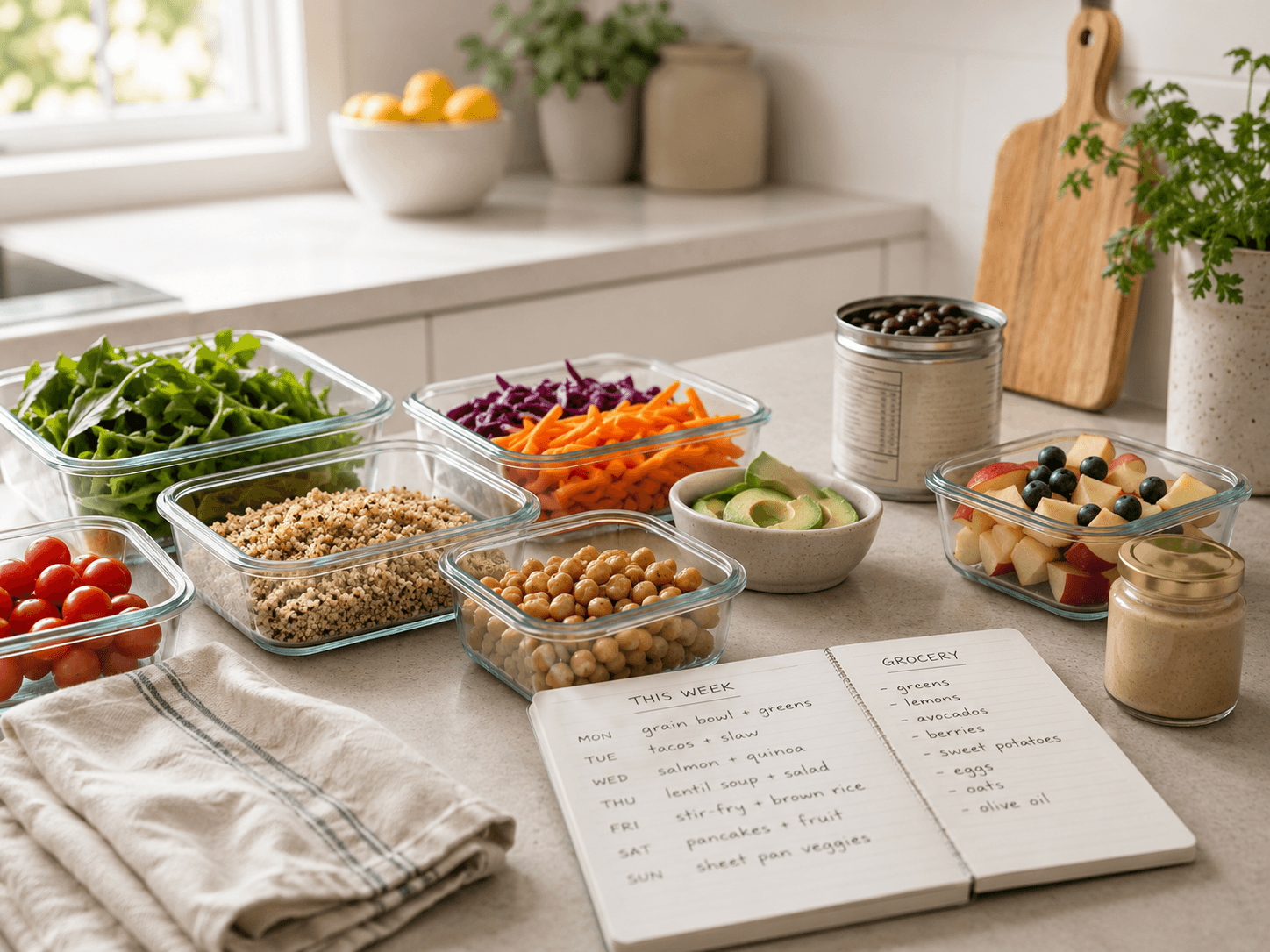
When you go a long time without eating, it may become harder to notice what would actually feel satisfying. Some people then reach an intense level of hunger and make more impulsive choices. Planning a meal or a snack in advance may help some people manage hunger more predictably and reduce decision fatigue later in the day.
A morning meal is optional, not a rule
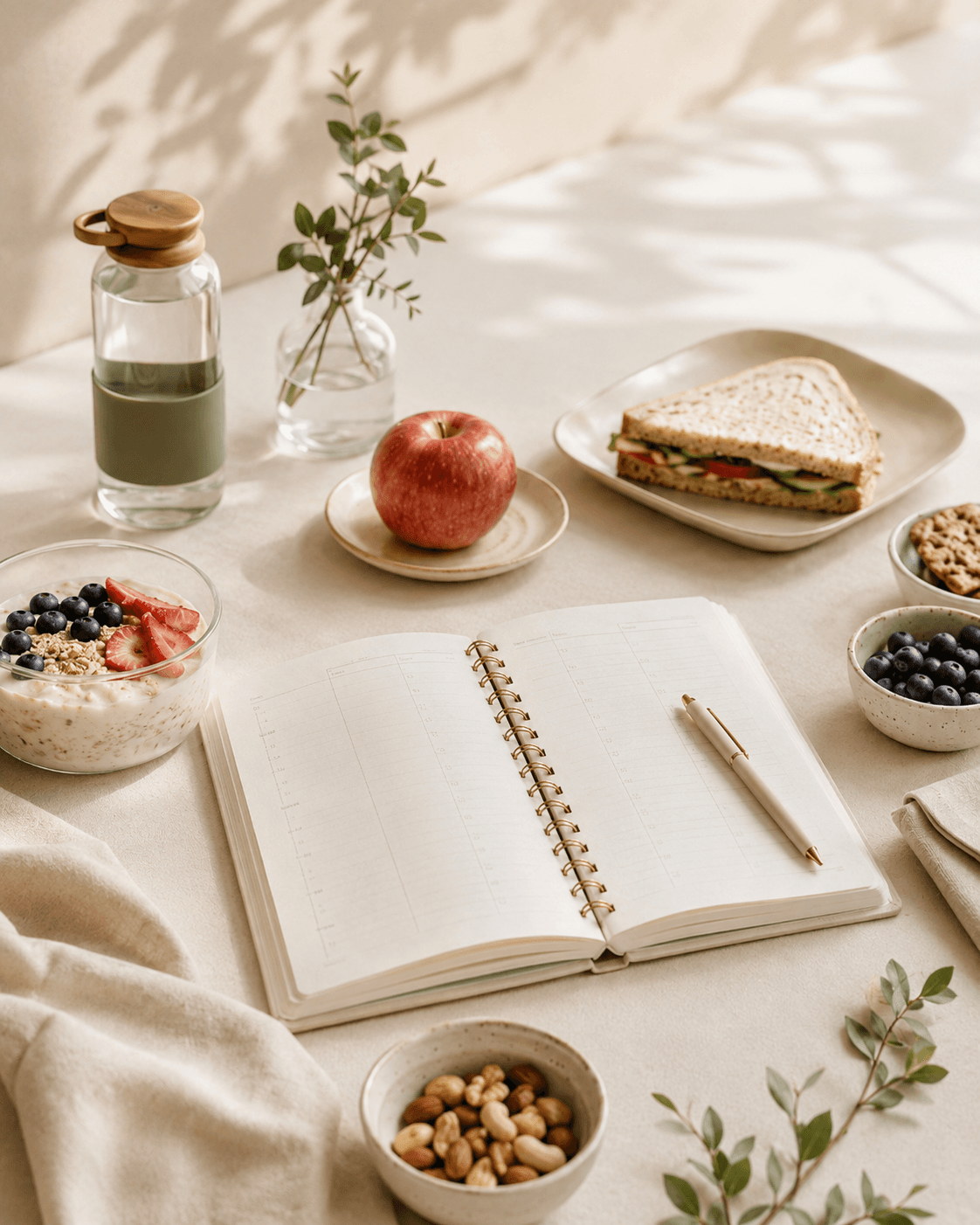
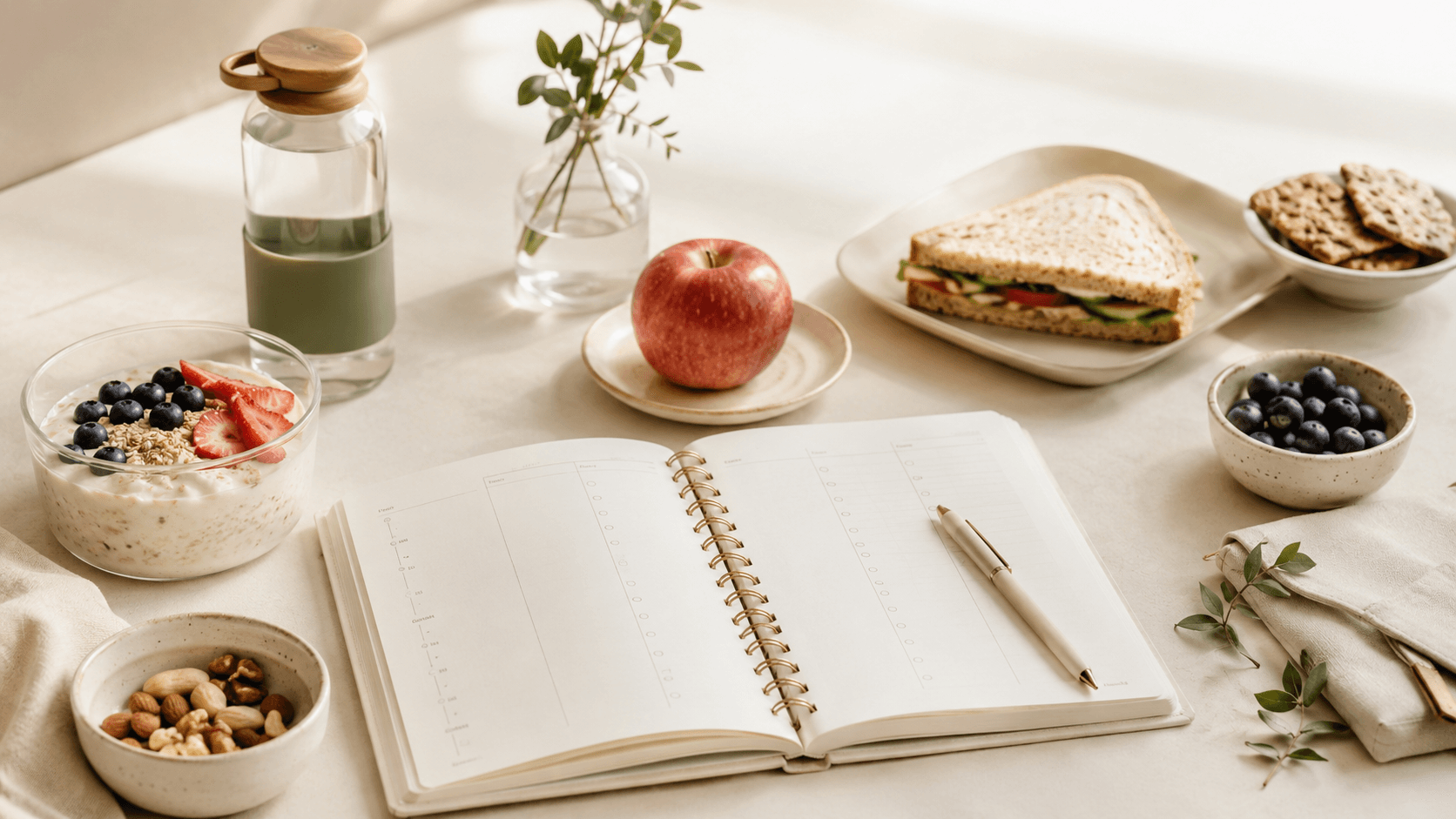
Breakfast is not a requirement for everyone. But for people who notice they feel hungry or distracted by mid-morning, a simple breakfast can be one way to include fibre, protein, fruit, or dairy foods earlier in the day. Oats with fruit, yogurt with nuts, or toast with eggs are examples that can be adjusted to taste and access.
Use snacks as bridges
A snack can be useful when there is a long gap between meals. Fruit with yogurt, hummus with vegetables, nuts with a piece of fruit, or a sandwich half can work as a bridge between lunch and dinner. The purpose is not to follow a rule about snacking; it is to give yourself an option before hunger feels urgent.
Build in flexibility
Meetings run late, travel changes plans, and some days will not follow a routine. The point is not to abandon the day when it becomes messy. A flexible routine gives you something to return to: a planned meal, an accessible snack, or a quick option you know you enjoy.
Skill to Try
An intentional eating routine is not about guarantees or perfect discipline. It is about creating a little more structure around food so that your choices can feel calmer, more practical, and more responsive to your own hunger cues.
This article is for general wellness education and is not medical advice. For nutrition guidance related to a health condition, medication, or individual dietary need, consult a qualified healthcare professional.
Educational Disclaimer
This content is for informational and educational purposes only. It is not intended as medical advice and does not replace professional consultation. Always speak with a qualified healthcare provider before making changes to your health routine.
Sources & Further Reading
Related Reading
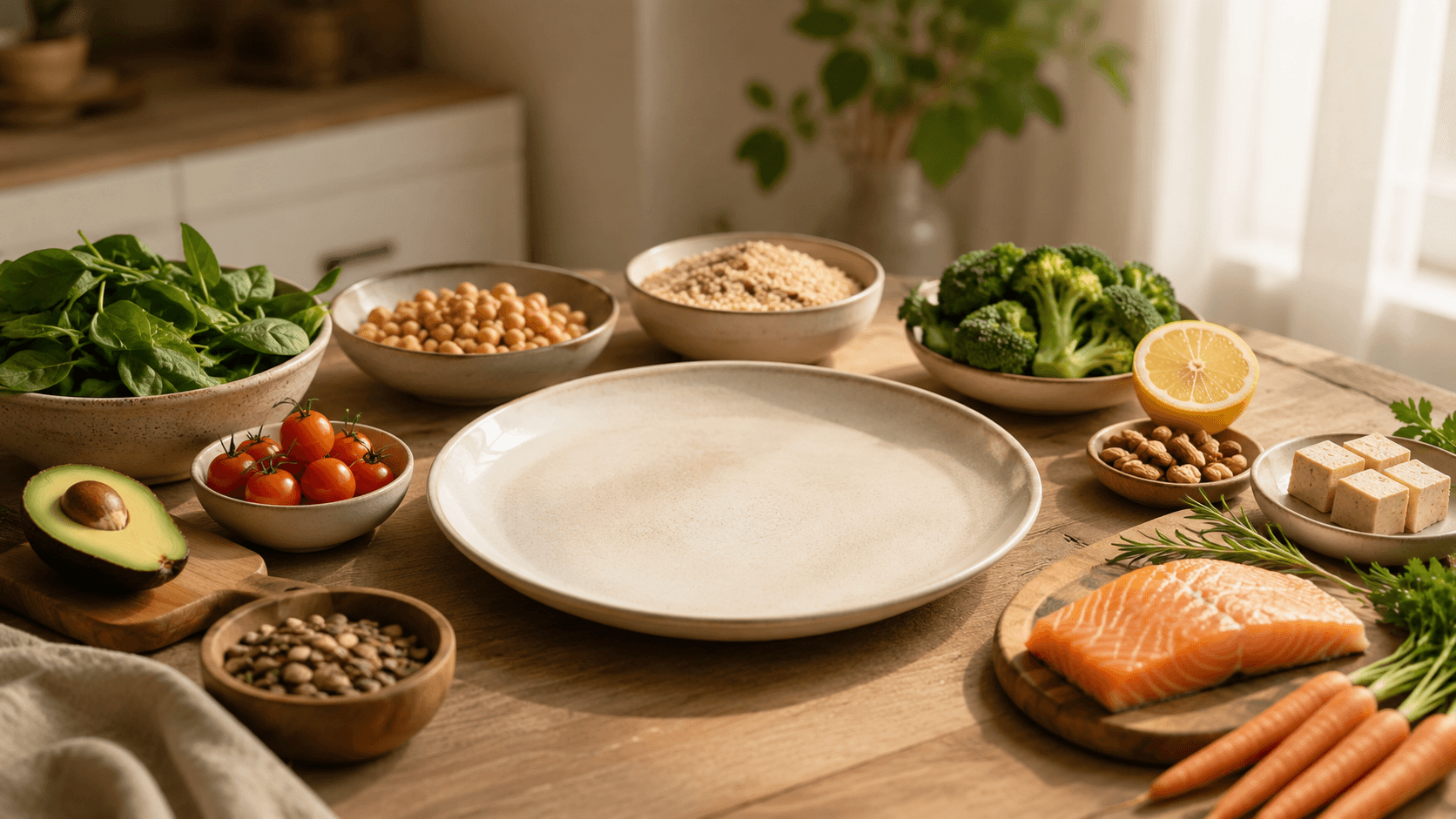
How to Build a Balanced Plate Without Overthinking Every Meal
Healthy eating is best viewed as a pattern over time, not a rigid rule for every bite. A simple visual framework can make everyday meals easier to assemble.
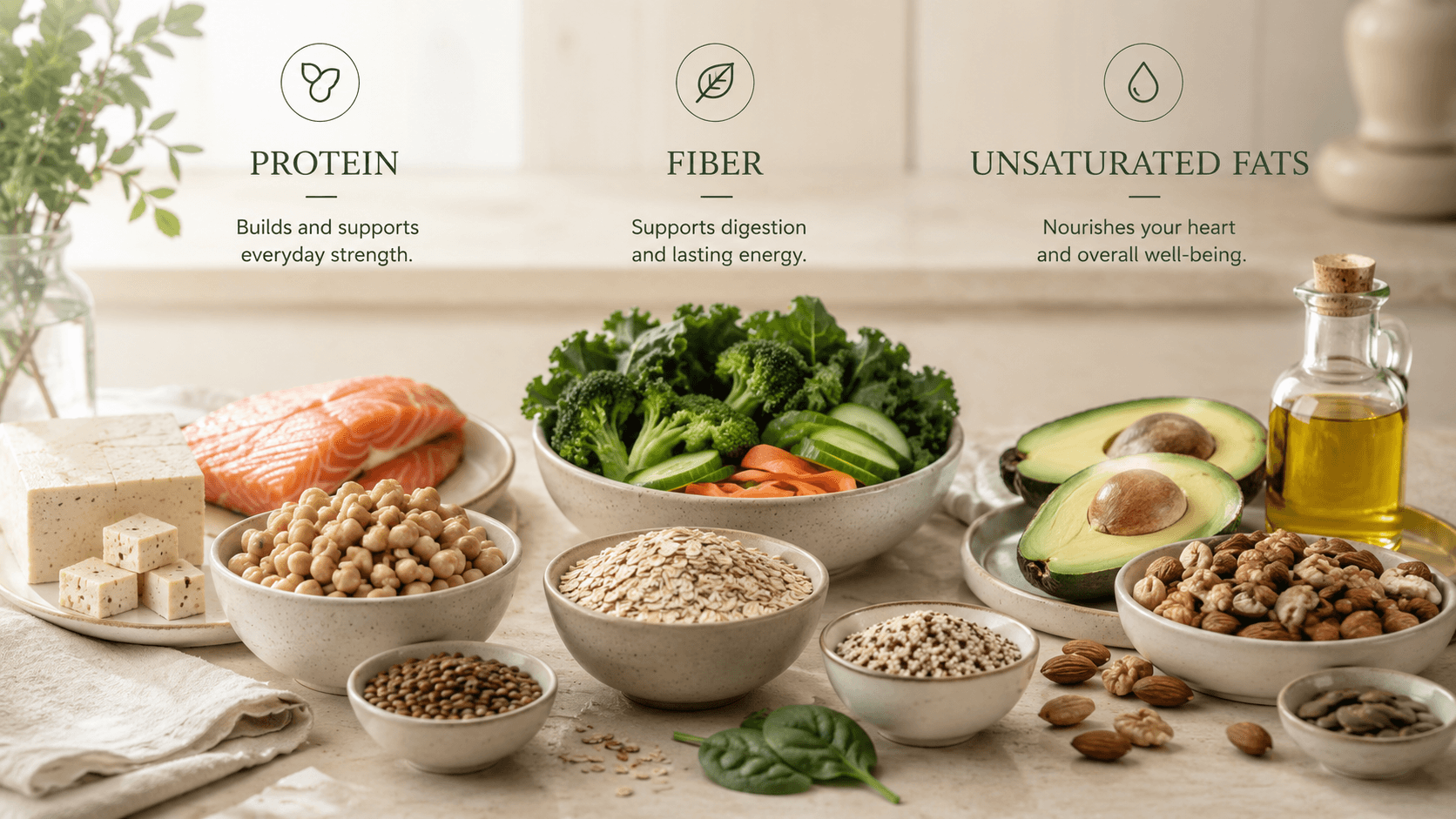
Protein, Fiber, and Unsaturated Fats: A Practical Guide to Everyday Meals
Protein, fibre, and unsaturated fats can make meals more satisfying and varied. Here is how to recognise them and combine them in everyday cooking.
Small Nutrition Habits That Make Eating Well Easier During Busy Weeks
When time is tight, the goal is not perfect meal preparation. A few practical shortcuts can make everyday food choices easier and less stressful.

Continue exploring
Discover guides, supplements, books, and practical resources for stress & mental balance.